

Glass door systems are now a common feature in modern homes, offices, and commercial spaces. They not only look elegant but also offer convenience and security. One key aspect of these doors is the automatic sensors that control their opening and closing. If the sensors are too sensitive or not sensitive enough, it can lead to safety risks, inconvenience, or damage to the door system.
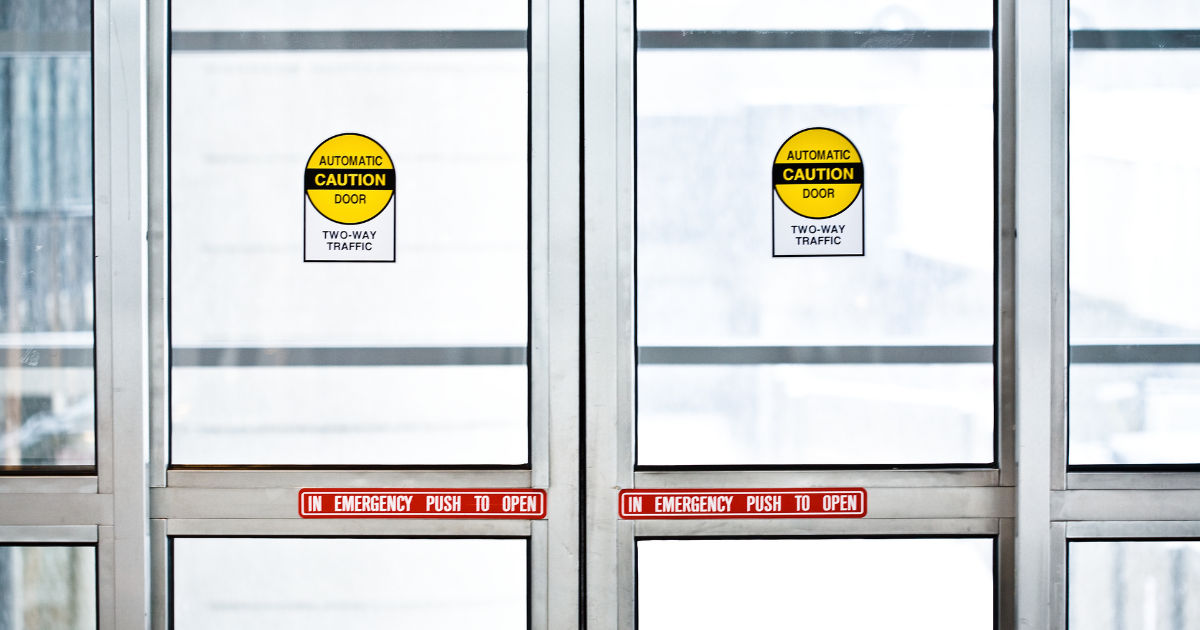
In this guide, we will explore in detail how to adjust sensor sensitivity for glass door systems, ensuring smooth operation and safety with the products from akbariglass.com. By the end of this guide, you will have a complete understanding of sensor sensitivity settings and how to optimize them for your glass doors using akbari glass solutions.
Glass Door Sensors
Before adjusting sensor sensitivity, it is essential to understand how glass door sensors work. Most automatic glass doors use motion sensors or infrared sensors to detect the presence of people or objects. These sensors send signals to the door motor to open or close the door automatically.
There are two main types of sensors used in glass door systems:
-
Motion Sensors – These detect movement in a specific range near the door. They are often installed above the door or on the floor.
-
Infrared Sensors – These detect heat signatures or changes in light patterns, allowing the door to react when a person is approaching.
The sensitivity of these sensors determines how far or how close a person must be before the door responds. Incorrect sensor sensitivity settings can cause the door to open too early, too late, or not at all.
Why Adjusting Sensor Sensitivity Matters
Adjusting sensor sensitivity is not just about convenience; it also impacts safety, energy efficiency, and the lifespan of the door system. Here’s why it matters:
-
Safety: Proper sensitivity ensures the door opens only when someone is nearby, preventing accidents.
-
Energy Efficiency: Reducing unnecessary openings helps maintain temperature control in buildings, reducing energy costs.
-
Prevent Wear and Tear: Overly sensitive sensors can cause frequent door movements, leading to faster wear on motors and components.
-
Security: Correct sensitivity prevents unauthorized access or accidental openings.
With these benefits in mind, it’s clear that mastering sensor sensitivity settings is crucial for both residential and commercial glass doors.
Tools You May Need
Before adjusting sensor sensitivity, gather the tools you might need. Most adjustments can be made manually, but having the right equipment makes the process smoother:
-
A small screwdriver (for sensor casing adjustments)
-
User manual for your glass door system
-
Digital multimeter (optional, for advanced checks)
-
Ladder (if sensors are mounted high)
-
Cleaning cloth (to remove dust from sensor lenses)
Having these tools ready ensures that you can adjust the sensors safely and accurately.
Step-by-Step Guide to Adjust Sensor Sensitivity
Adjusting sensor sensitivity for glass door systems can be simple if done correctly. Follow these steps to ensure optimal performance:
Step 1: Power Off the Door System
Before making any adjustments, turn off the power to your glass door system. This ensures safety while handling electrical components and prevents accidental door movements.
Step 2: Locate the Sensor Adjustment Controls
Most glass doors have sensor sensitivity settings located on the sensor unit itself. Look for small knobs or screws labeled “Sensitivity,” “Range,” or “Detection.” Some modern sensors may have digital controls on a touch panel or remote.
Step 3: Clean the Sensor
Dust or smudges on the sensor can affect its accuracy. Use a soft, dry cloth to gently clean the sensor lens. Avoid using liquids or harsh chemicals as they can damage the sensor.
Step 4: Adjust the Sensitivity Level
Using a screwdriver or digital controls, adjust the sensor sensitivity settings:
-
Increase Sensitivity: Turn the knob or press the control to increase the detection range. The door will respond to movement from farther away.
-
Decrease Sensitivity: Reduce the detection range if the door is opening too often or reacting to irrelevant movements.
Always make small adjustments and test the door after each change. Extreme changes can cause the door to malfunction.
Step 5: Test the Door Operation
After adjusting the sensor, test the door several times:
-
Walk toward the door at different distances to check responsiveness.
-
Observe if the door opens too early or too late.
-
Ensure that the door closes correctly after the person passes.
Make minor adjustments if needed until the door responds reliably.
Step 6: Consider Environmental Factors
Sensor performance can be affected by lighting, reflective surfaces, or obstructions near the door. If your glass door is near large windows, sunlight may interfere with infrared sensors. Adjust the sensitivity settings accordingly to prevent false activations.
Step 7: Finalize and Secure Settings
Once you have achieved the desired sensitivity, ensure that any knobs or screws are tightened, and the sensor casing is securely closed. Turn the power back on and perform a final operational test.
Common Problems and How to Fix Them
Even after adjusting sensor sensitivity, issues may arise. Here are some common problems and their solutions:
Problem 1: Door Opens Too Early or Late
-
Solution: Fine-tune the sensor sensitivity settings. Ensure the sensor is clean and unobstructed. Check the installation height; if too high or low, it can affect detection.
Problem 2: Door Doesn’t Open at All
-
Solution: Verify power supply and connections. Check if the sensor lens is dirty or damaged. If the issue persists, the sensor may need replacement.
Problem 3: Frequent False Activations
-
Solution: Reduce sensitivity or adjust the detection angle. Remove objects or reflective surfaces near the sensor that may trigger it unintentionally.
Problem 4: Door Stops or Reverses Suddenly
-
Solution: Check the sensor alignment. Misaligned sensors can cause the door to detect an obstruction incorrectly. Adjust the sensor position and test the door again.
Tips for Optimal Sensor Performance
-
Regular Maintenance: Clean sensors periodically to prevent dust buildup.
-
Avoid Obstructions: Keep the sensor detection zone clear of objects or decorations.
-
Check Firmware Updates: Some modern glass door systems have software updates that can improve sensor performance.
-
Use Professional Help: If adjustments do not improve performance, consult a professional technician for advanced calibration.
Advanced Sensor Adjustments
For some glass door systems, there are additional settings beyond basic sensor sensitivity:
-
Hold-Open Time: Adjust how long the door stays open after activation.
-
Detection Angle: Fine-tune the angle to reduce false activations from nearby movement.
-
Ambient Light Compensation: Some sensors allow adjustments based on lighting conditions to prevent sunlight interference.
These settings are usually available on higher-end systems or through digital interfaces. Carefully follow the manufacturer’s instructions when modifying advanced settings.
Safety Precautions
While adjusting sensor sensitivity, always keep safety in mind:
-
Turn off the power before opening the sensor casing.
-
Avoid touching internal electrical components unless trained.
-
Do not force the sensor knobs or screws.
-
Ensure the door area is clear of people during testing.
Following these precautions ensures that adjustments are made safely without damaging the system or causing accidents.
The Importance of Professional Calibration
While basic adjustments can be done by users, professional calibration may be necessary for:
-
High-traffic commercial doors
-
Complex multi-sensor systems
-
Doors exposed to extreme weather or lighting conditions
Professional technicians use specialized tools and experience to optimize sensor sensitivity settings, ensuring maximum efficiency and safety.
Conclusion
Adjusting sensor sensitivity for glass door systems is an essential task for maintaining safety, convenience, and energy efficiency. By understanding how sensors work and following step-by-step instructions, you can fine-tune your glass door system to respond accurately to movement. Regular maintenance, awareness of environmental factors, and proper testing are key to achieving optimal performance.
Remember, small adjustments can make a big difference, and when in doubt, professional assistance ensures your glass doors operate reliably and safely. Proper sensor sensitivity settings prevent accidents, reduce wear and tear, and enhance the overall user experience, making your glass doors both functional and elegant.
By following this comprehensive guide, you can confidently adjust sensor sensitivity settings and enjoy the convenience of fully optimized automatic glass doors.

