

Introduction: A Morning in the Yard, and the Numbers That Don’t Lie
It is 6:30 a.m. at the depot, and the first trucks are already queuing. Pallets are stacked, pickers are ready, and yet the line moves pole pole. In many sites, the logistics management system sits at the centre of this picture, connecting orders to people, racks, and routes. Last year, one regional operator told me their dock scheduling failed 18% of the time during peak. Another study showed up to 22% of picks become “empty steps” from poor slotting and late updates. Throughput suffers, dwell time climbs, and customer promises slip. So, what is stopping a stable operation from becoming a smooth one?
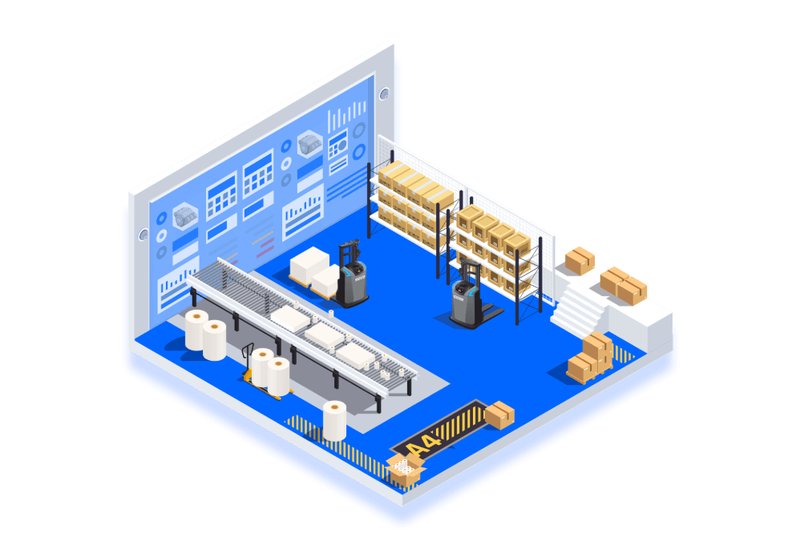
Here is the small twist. We treat delays as people problems, not system design gaps. But look at the flow: orders in, stock checks, wave planning, then picking. Each handoff adds latency. Add fragile API integrations and manual checks, and the delays stack. RFID tags are there, but not always read in time. The data exists, but not at the right moment. Is it a software issue, a process issue, or both (sawa sawa)? The answer guides where to invest next—and why some teams win while others tread water. Let us step into the comparison that matters next.
Where Traditional Warehouse Software Falls Short
What is missing?
Let us get technical. A classic system batches work, schedules waves, and prints picks. It does the job, but it hides the queueing cost. A modern warehouse management system should expose those queues and cut them. Traditional tools often lack real-time signals from edge computing nodes and RFID readers. They rely on periodic syncs. That means location data goes stale. When the picker arrives, stock is not where the screen says. The cycle repeats. Add fragile API integrations to TMS and ERP, and a single timeout can stall the whole flow. Look, it’s simpler than you think: if the system cannot sense fast, it cannot decide fast.
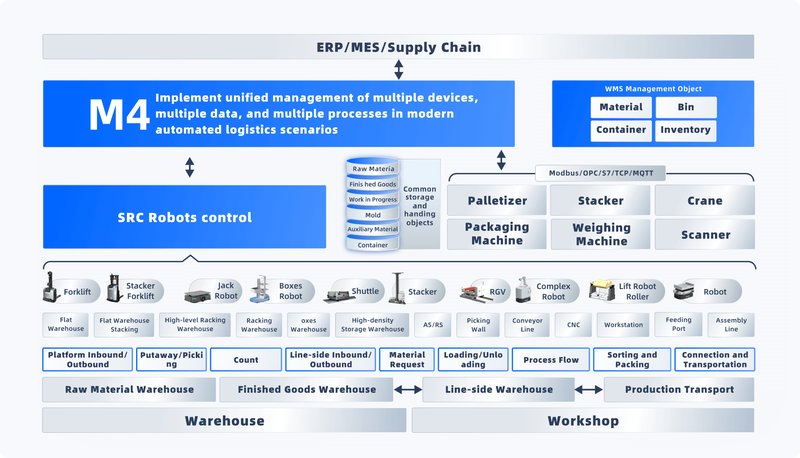
Hardware tells the same story. Conveyors, PLCs, even power converters are steady workhorses. But without event-driven updates, automation becomes a rigid script. The result is stranded capacity. Pallets wait at choke points while upstream stations idly blink. Wave plans lock in early and ignore late orders that could ride along. The fix is not more dashboards; it is visibility at the right granularity—SKU location, picker path, and dock door status—updated in near real time. And if the software cannot re-slot or re-route mid-shift, the warehouse pays in steps and seconds. Over a week, that is hours. Over a quarter, it is the margin you needed.
Forward-Looking: Principles That Lift the Ceiling
What’s Next
So, how do we open the system and keep it stable? We apply new technology principles to the same core goal: move goods with less friction. First, event-driven design. The warehouse management system should react to signals, not wait for batch cycles. A scan fires an update; a tote clears a sensor; a door frees up—and the plan shifts. Second, edge-first sensing. Put logic near the action through edge computing nodes to cut latency and survive network hiccups. Third, digital twin light. Keep a live model of locations, queues, and picker states. Not a heavy simulation. Just enough state to suggest the next best move.
These principles change trade-offs. You do not need to rip and replace. You can wrap old flows with a small, reactive layer that tracks work-in-process and nudges the plan. AMRs, RFID gates, and put-to-light arrays play nicer when the system speaks in events. Even human teams feel it: fewer “where is it?” moments, cleaner handoffs, steadier tempo—funny how that works, right? The same dock doors now clear more trucks. The same space yields higher throughput. And outages hurt less because decisions degrade gracefully, not all at once. In practice, this means fewer emergency walks, fewer calls to IT, and a calmer shift lead.
Here is the comparative takeaway without repeating the past points. Old systems optimize inside fixed windows; new ones optimize in motion. Old flows assume certainty; new flows assume change. A modern warehouse management system that embraces events, edge signals, and simple digital twins can trim wasted steps and reduce dwell time. It will not fix everything, but it will show you where the next minute is hiding—and why your last plan needs one more nudge. To choose well, use three practical checks: 1) Decision latency—how fast can the system sense, decide, and act when a location changes? 2) Queue transparency—can you see and reprioritize each micro-queue at docks, zones, and pack stations? 3) Resilience—when APIs fail, do local rules keep work flowing until sync returns? Keep those three in your pocket, and your next upgrade talks in outcomes, not brochures. For deeper technical context and quiet rigor, see SEER Robotics.


