

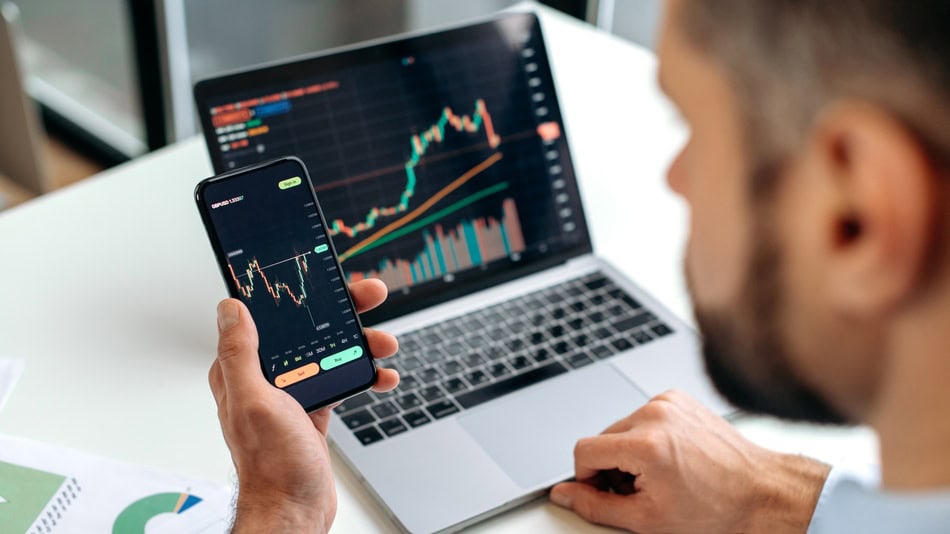
Gold futures remain one of the most popular instruments in commodity trading, offering investors and traders a chance to speculate on gold prices or hedge against economic risks. With gold’s reputation as a safe-haven asset, its futures contracts often attract activity during times of global uncertainty. For anyone exploring how to trade gold futures, understanding futures trading hours is not just an operational detail—it’s a fundamental part of building a successful strategy.
The Basics of Gold Futures
Gold futures are standardized contracts traded on exchanges, such as the CME Group’s COMEX division. These contracts allow traders to buy or sell a specified amount of gold at a predetermined price for delivery at a future date. Unlike owning physical gold, trading futures provides liquidity, leverage, and flexibility.
When learning how to trade gold futures, it’s essential to understand contract sizes. The standard contract represents 100 troy ounces, while the micro gold futures contract represents 10 troy ounces, making it more accessible to smaller traders. This flexibility attracts both institutional and retail investors who want exposure to gold markets.
Why Trading Hours Matter in Futures Markets
Unlike traditional stock markets with fixed daily schedules, futures markets operate nearly around the clock. This structure accommodates global participants and ensures liquidity across time zones. However, each contract has designated trading sessions, pauses, and settlement times that traders must understand.
The concept of futures trading hours is crucial for gold traders because price activity and volatility often spike at certain times of day. For example, gold futures may be more active during overlap periods when both U.S. and European markets are open. Traders who ignore these time-sensitive dynamics risk missing opportunities or entering trades during illiquid hours with wider spreads.
Futures Trading Hours for Gold in 2025
On the CME’s COMEX exchange, gold futures trading hours typically follow this structure (all times in Eastern Time):
- Sunday to Friday: Trading begins at 6:00 p.m. ET and runs continuously until 5:00 p.m. ET the next day.
- Daily Break: There is a 60-minute maintenance break each day from 5:00 p.m. to 6:00 p.m. ET.
This nearly 23-hour window ensures traders worldwide can participate. However, liquidity and volatility are not evenly distributed throughout the session. Key market-moving events, such as U.S. Federal Reserve announcements or major economic reports, often occur during U.S. trading hours, influencing gold price behavior.
How Trading Hours Affect Strategy
Anyone learning how to trade gold futures must align their strategies with active trading periods. For instance, if a trader prefers high volatility to capture intraday price swings, they might focus on U.S. morning hours, when economic data releases and equity market openings drive activity. Conversely, traders seeking calmer conditions may prefer overnight sessions when volume is lower.
Understanding futures trading hours also helps avoid liquidity traps. Placing trades during thinly traded times can result in slippage, where the execution price differs from the intended price, cutting into profits. For longer-term traders, knowledge of trading hours ensures stop-loss and limit orders are placed effectively and not left vulnerable during low-activity periods.
The Global Nature of Gold Trading
Gold is not just influenced by U.S. markets—it responds to global developments. Asian trading sessions, particularly in China and India, often impact overnight gold futures prices. Similarly, European market activity contributes to volatility before U.S. markets open.
For traders mastering how to trade gold futures, this means strategies must be global in outlook. Monitoring economic calendars from multiple regions ensures better preparedness. For example, Chinese trade data or European inflation figures can trigger moves during hours when many U.S.-based traders are inactive.
Practical Steps for New Gold Futures Traders
- Learn Contract Specifications: Begin with micro gold futures if you’re new, since their smaller tick value and contract size reduce risk exposure.
- Track Market Hours: Build a trading schedule that aligns with periods of higher liquidity, such as U.S. morning hours.
- Use Risk Management Tools: Because gold futures are leveraged, stop-loss and take-profit orders should be carefully placed around anticipated events.
- Leverage Technology: Modern trading platforms often allow customization of charts to display trading sessions. This helps traders visualize how futures trading hours affect price patterns.
- Stay Informed Globally: Economic events across continents matter, so combine technical analysis with global news monitoring.
The Role of Volatility in Gold Futures
Volatility is a double-edged sword. On one hand, it creates opportunities for profit. On the other, it amplifies risks, particularly when trading leveraged instruments like gold futures. By knowing futures trading hours, traders can anticipate when volatility is likely to increase.
For example, U.S. employment reports released at 8:30 a.m. ET often trigger sharp gold price movements. Traders familiar with these patterns can position themselves in advance. Conversely, avoiding exposure during unpredictable announcements can be a prudent defensive strategy.
Technology and Access in 2025
In today’s markets, traders have access to advanced platforms that provide real-time data, tick charts, and news alerts. These platforms also allow users to overlay futures trading hours on charts, making it easier to analyze intraday trends. Mobile trading apps have made it possible for traders to monitor gold markets around the clock, ensuring they don’t miss critical moves outside traditional business hours.
For those still learning how to trade gold futures, demo accounts and paper trading tools allow practice within real market hours without financial risk. This hands-on experience is invaluable in building confidence and refining strategies.
Conclusion
Gold futures continue to play a central role in commodity markets, offering traders opportunities to profit and hedge in a dynamic global economy. However, success depends on more than just understanding contract specifications or analyzing charts. Knowing futures trading hours is essential for identifying when liquidity, volatility, and price action are most favorable.
For anyone exploring how to trade gold futures, aligning strategies with market hours can mean the difference between missed opportunities and consistent results. In 2025, as global events shape markets in real time, those who combine knowledge of trading mechanics with timing awareness will be best positioned to succeed in gold futures trading.

