

When people talk about email risks related to online gambling platforms, they are usually referring to messages tied to account registration, promotions, login alerts, or even fake phishing emails pretending to be from slot sites.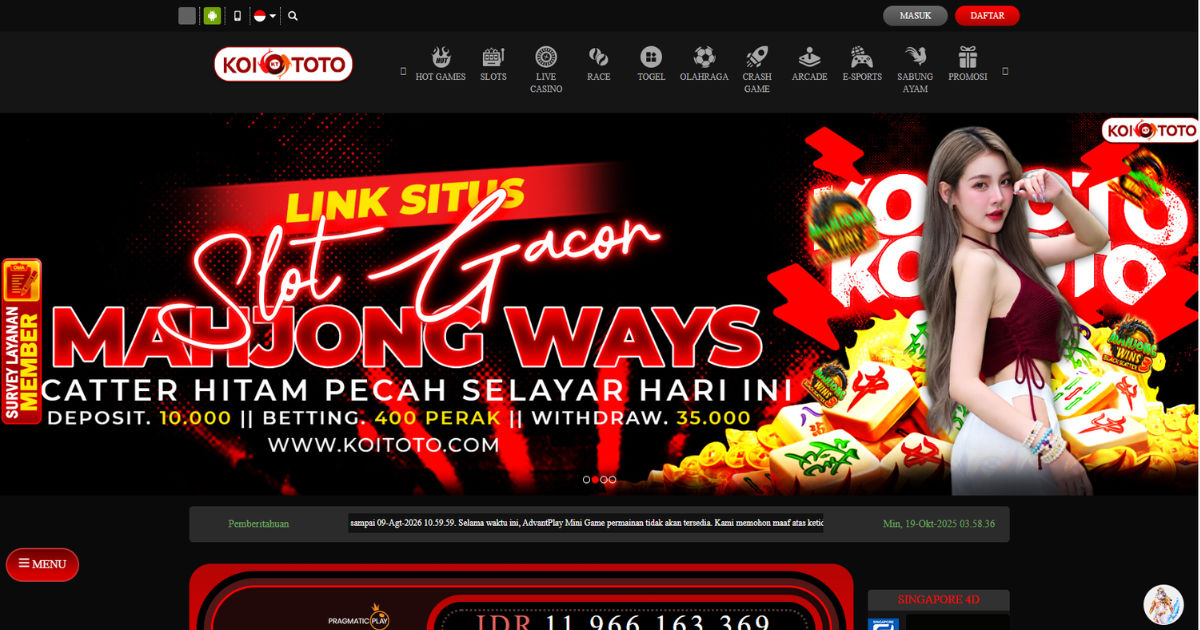
In many cases, users who interact with platforms that promote games like mahjong ways may unknowingly expose their email addresses to security threats.
Understanding these risks is important because email is often the gateway to your personal digital identity. If someone gains control over your email, they can reset passwords, steal accounts, or even access financial information linked to your online activity.
Why Email Is So Important in Online Platforms
Email is not just a messaging tool. It is the foundation of most online accounts. When you register on any website, including gaming or slot platforms, your email becomes:
- Your login identifier
- A password recovery tool
- A communication channel for promotions
- A verification system for identity
This makes email a high-value target for attackers. In environments where users interact with gambling-related content such as mahjong ways, cybercriminals often exploit this dependency.
Common Risks of Email in Slot-Related Platforms
1. Phishing Attacks
Phishing is one of the most common threats. Attackers send fake emails pretending to be from a legitimate slot platform. These emails often look real, using logos, similar domain names, and urgent language.
For example, users might receive messages claiming:
- “Your mahjong ways account is suspended”
- “Verify your winnings immediately”
- “Login to claim your bonus”
Once users click the link, they are redirected to fake websites designed to steal passwords.
2. Data Leaks and Email Exposure
Many unofficial or poorly secured gaming websites store user emails in weak databases. If these systems are hacked, your email can be leaked and sold on the dark web.
Once exposed, your email may be used for:
- Spam campaigns
- Scam promotions
- Identity theft attempts
- Targeted phishing attacks
This risk is especially high in unofficial platforms that promote games like mahjong ways without strong security standards.
3. Spam and Unwanted Marketing Emails
After signing up on certain platforms, users often start receiving large volumes of promotional emails. These messages may include:
- Bonus offers
- New game promotions
- Daily login rewards
While some are legitimate marketing, others are aggressive spam campaigns that are difficult to unsubscribe from. Over time, this clutters your inbox and increases exposure to malicious links.
4. Account Takeover via Email Hijacking
If your email password is weak or reused across multiple sites, attackers can take control of your email account. Once inside, they can:
- Reset passwords for gaming accounts
- Lock you out of your profiles
- Access personal information
- Monitor private communications
In platforms related to games like mahjong ways, this can lead to complete loss of account access and digital identity compromise.
5. Fake Customer Support Emails
Scammers often impersonate customer support teams from slot platforms. These emails may ask users to:
- Share verification codes
- Send screenshots of accounts
- Provide banking details
- Click “secure login” links
These messages are designed to trick users into voluntarily giving away sensitive information.
How Email Gets Targeted in Slot Communities
Cybercriminals usually don’t randomly target people. Instead, they gather emails from:
- Leaked databases
- Public forums
- Fake registration pages
- Social media giveaways
- Suspicious “free bonus” forms
Once your email is in their system, it may be repeatedly targeted with scams related to gambling content, including themes like mahjong ways promotions or fake bonus offers.
Warning Signs of Dangerous Emails
It is important to recognize suspicious emails early. Some common red flags include:
- Urgent messages like “Act now or your account will be closed”
- Poor grammar or unnatural language
- Suspicious sender addresses
- Links that don’t match the official website
- Requests for passwords or verification codes
- Offers that seem too good to be true
If you notice these signs, it is safer not to click anything.
Psychological Tricks Used in Scam Emails
Scam emails are designed to manipulate emotions. They often use:
Urgency
Creating pressure so users act quickly without thinking.
Fear
Threatening account suspension or loss of rewards.
Excitement
Promising big bonuses or winnings related to games like mahjong ways.
Curiosity
Using vague messages like “You have new rewards waiting.”
These psychological triggers are powerful, especially for users unfamiliar with cybersecurity risks.
How to Protect Your Email from Slot-Related Risks
Use a Strong, Unique Password
Avoid using the same password across multiple platforms. A strong password should include letters, numbers, and symbols.
Enable Two-Factor Authentication (2FA)
This adds an extra layer of security by requiring a code sent to your phone or app.
Avoid Clicking Suspicious Links
Always check the sender and URL before clicking anything.
Use a Separate Email for Registrations
Many users create a secondary email for online gaming or promotions to protect their primary inbox.
Keep Your Email Private
Do not share your email publicly on forums or social media where it can be harvested.
The Role of Awareness in Digital Safety
Most email-related risks don’t happen because systems are completely broken, but because users are not aware of how scams work. Awareness is the first line of defense.
When users understand how phishing works and how platforms may misuse promotional systems, they become much harder to trick. This is especially important in environments where gambling-related content, including references like mahjong ways, is heavily advertised.
Why Young Users Are Often More Vulnerable
Younger users, especially students, are often targeted because:
- They are less experienced with scams
- They trust promotional messages more easily
- They may not verify email sources carefully
- They are more active online
Education about digital risks is essential to reduce this vulnerability.
Long-Term Impact of Email Compromise
If your email gets compromised, the damage is not always immediate. Over time, it can lead to:
- Loss of multiple accounts linked to that email
- Financial fraud attempts
- Identity misuse
- Permanent exposure of personal data
This is why email security is considered one of the most important aspects of online safety.
Conclusion
Email risks connected to slot-related platforms are real and often underestimated. While many users focus only on the games or promotions, the bigger danger lies in how easily email addresses can be exploited. Whether it is phishing, spam, or account takeover, the consequences can extend far beyond a single inbox.
In my view, the most important step is not fear but awareness. Once you understand how these scams operate, especially in environments where promotional content like mahjong ways is used to attract attention, you can navigate them more safely and confidently.
A secure email strategy is not just about avoiding scams. It is about protecting your entire digital identity. And in today’s connected world, that matters more than most people realize.

