

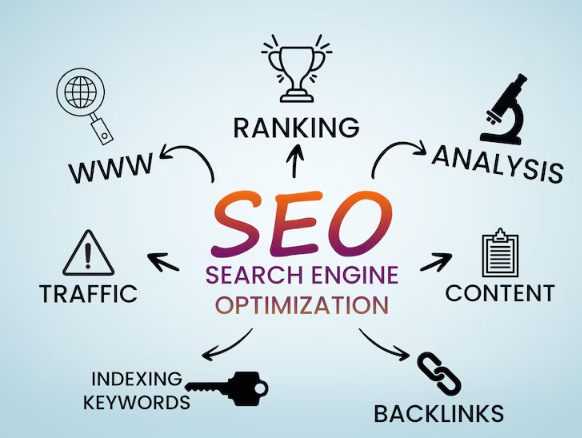
In the ever-evolving digital landscape, businesses striving for local visibility must recognize the significance of content localization. Boston, a vibrant hub for business and innovation, presents unique opportunities for companies looking to strengthen their online presence. By strategically implementing content localization, businesses can enhance their Boston SEO performance, connecting with local audiences more effectively and driving measurable results.
Understanding Content Localization
Content localization goes beyond simple translation. While translation focuses solely on converting text from one language to another, localization adapts content to meet the cultural, linguistic, and behavioral preferences of a specific target audience. For Boston businesses, this means tailoring web content to reflect the city’s local nuances, regional dialects, and community interests.
Localized content ensures that potential customers feel a sense of familiarity and trust, which is essential for boosting engagement and conversions. It also signals to search engines that the website is relevant to local users, which can significantly impact Boston SEO rankings.
Why Content Localization Matters for Boston SEO
Boston’s market is unique, combining a blend of historic charm, academic excellence, and a thriving business ecosystem. To compete effectively, businesses must craft content that resonates with this diverse audience. Here’s why content localization is vital for Boston SEO:
Enhanced Local Relevance
Search engines prioritize content that aligns with a user’s location and intent. When businesses use localized keywords, reference local events, or discuss neighborhood-specific topics, search engines recognize the content as relevant to local searches. For instance, using phrases like “best restaurants in Back Bay” or “tech startups in Cambridge” can improve visibility for hyperlocal queries.
Increased User Engagement
Content that reflects local culture and addresses specific community needs encourages users to stay longer on the website, reducing bounce rates and signaling quality to search engines. Engaging localized content can include blog posts about Boston-centric events, guides for local services, or even interviews with local influencers.
Stronger Brand Trust
When content resonates with local audiences, it fosters trust and credibility. Boston consumers are more likely to engage with businesses that understand their unique preferences and speak to their community values. This trust translates into higher conversions and repeat visits, which indirectly supports Boston SEO efforts.
Competitive Advantage
Many businesses still focus on generic content strategies. By investing in content localization, Boston companies can differentiate themselves from competitors who neglect local relevance. This approach not only improves search rankings but also establishes the brand as an authority within the local market.
Strategies for Effective Content Localization
To leverage content localization for Boston SEO, businesses can implement the following strategies:
Incorporate Local Keywords
Keyword research is the backbone of SEO, but for Boston, it’s important to include location-specific terms. Identify popular local search queries and integrate them naturally into your content. Examples include “Boston SEO services,” “restaurants in South End Boston,” or “Boston tech events.”
Create Location-Specific Landing Pages
Dedicated landing pages for neighborhoods or specific services allow businesses to target local searches effectively. Each page should provide unique content that addresses the needs and interests of the local audience, enhancing both user experience and search engine relevance.
Highlight Local Stories and Events
Showcasing involvement in local events, charity initiatives, or community news can strengthen engagement and brand loyalty. Content that features Boston landmarks, events, or local collaborations resonates more with the target audience and reinforces the brand’s local presence.
Use Local Reviews and Testimonials
Incorporating reviews from Boston customers or featuring testimonials from local clients builds credibility. Search engines value authentic user experiences, and potential customers are more likely to trust businesses endorsed by their community peers.
Optimize for Mobile and Voice Search
Boston users increasingly rely on mobile devices and voice searches for local queries. Ensuring content is mobile-friendly, fast-loading, and optimized for voice search phrases such as “near me” queries improves both user experience and local SEO rankings.
Measuring the Impact of Content Localization
Tracking the effectiveness of content localization is essential. Metrics such as organic traffic from local searches, engagement rates, and conversion rates provide insights into how well localized content supports Boston SEO goals. Tools like Google Analytics, Google Search Console, and local keyword tracking software can help monitor performance and identify areas for improvement.
Partnering with Experts
For businesses seeking to elevate their Boston SEO rankings, partnering with a professional SEO company can be transformative. Companies like JDM Web Technologies specialize in delivering targeted strategies that combine content localization with technical SEO, link building, and analytics, ensuring measurable results.
FAQs About Content Localization and Boston SEO
Q1: What is the difference between translation and localization?
A: Translation simply converts text to another language, while localization adapts content for cultural, regional, and audience-specific relevance. Localization is key for effective Boston SEO.
Q2: How often should I update localized content?
A: Regular updates, at least quarterly, help maintain relevance with local trends, events, and changes in user behavior. Fresh content improves search engine rankings and engagement.
Q3: Can small businesses benefit from content localization?
A: Absolutely. Even small local businesses can achieve significant visibility by targeting local keywords and tailoring content for their Boston audience.
Q4: How do I track the success of content localization?
A: Key metrics include local organic traffic, engagement rates, conversion rates, and search rankings for location-specific keywords. Google Analytics and local SEO tools are essential for tracking.
Q5: Is content localization expensive?
A: Costs vary depending on scope and scale, but the ROI from improved Boston SEO rankings and local customer engagement often outweighs the initial investment.
Conclusion
Content localization is no longer optional for Boston businesses aiming to improve their SEO rankings—it’s essential. By tailoring content to reflect local culture, preferences, and search behaviors, businesses can boost visibility, engagement, and trust within the community. When combined with professional SEO strategies, content localization becomes a powerful tool to dominate Boston’s digital landscape. To explore options or get more information, businesses can visit their Boston SEO services page.
