

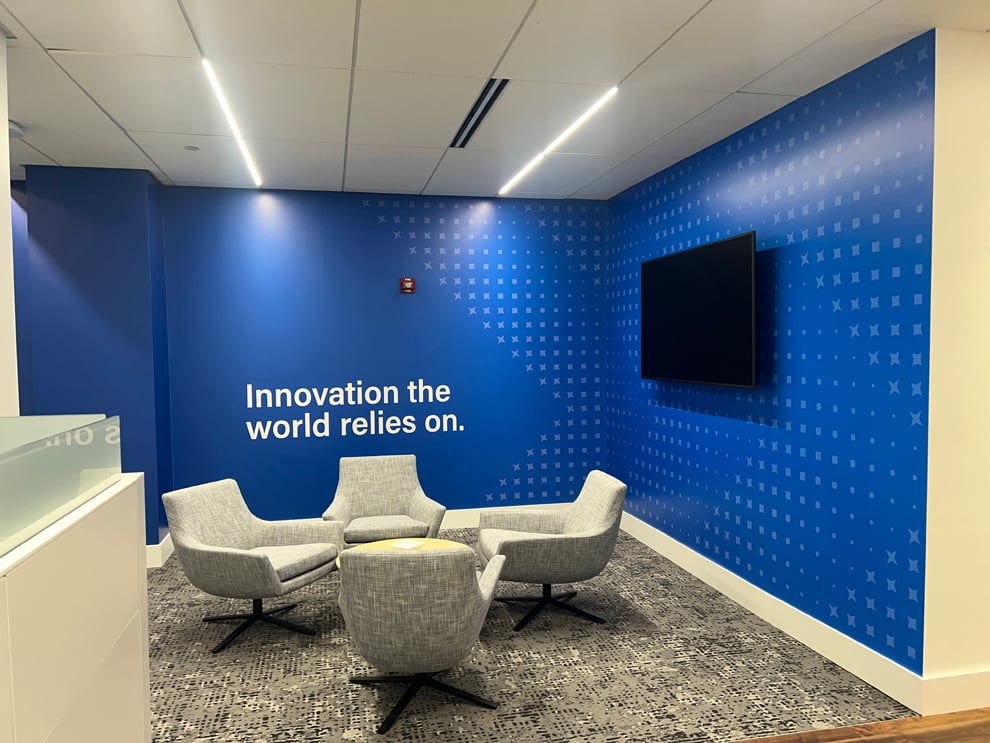
In today’s competitive business environment, branding begins the moment a client walks through the door. One of the most immediate and impactful ways to reinforce brand identity and create a professional first impression is through custom-designed lobby signs. In Charlotte, NC—a city known for its dynamic business community and growing industries—lobby signs are more than decorative features; they are essential branding tools for offices, corporate interiors, and commercial spaces.
This article explores how to design effective lobby signs for Charlotte workplaces, highlighting design principles, material choices, lighting techniques, installation practices, and the overall impact of signage on branding and office aesthetics.
The Role of Lobby Signs in Workplace Branding
Lobby signs are often the first branded elements that employees, clients, and visitors notice upon entering a workplace. A well-designed lobby sign conveys professionalism, reinforces corporate identity, and sets the tone for the experience that follows.
In Charlotte’s thriving economic landscape to finance, healthcare, tech, and service-based firms—businesses rely on custom interior signage to stand out. Lobby signs provide a visual anchor in reception areas, introducing the company’s culture, values, and aesthetic in a subtle yet powerful way.
Key benefits of lobby signs:
-
Enhances brand recognition
-
Builds trust and credibility
-
Sets the visual tone for the workspace
-
Guides visitors and employees alike
-
Elevates interior décor and adds professionalism
Using Lobby Signs Charlotte NC as a benchmark for quality and style, many local businesses seek signage that balances branding with elegance, functionality, and design harmony.
Understanding the Purpose Before the Design
Before diving into design elements, it’s essential to understand the purpose of the lobby sign. Ask the following questions:
-
What message should the sign convey?
-
Is the goal to impress clients, inform visitors, or motivate employees?
-
How will the sign integrate into the overall interior design?
-
Will it include just a logo, or additional information like a slogan or mission statement?
The answers to these questions help establish the foundation for a design that serves both branding and functional needs.
Choosing the Right Materials for Impact and Durability
Material selection plays a pivotal role in how lobby signs appear and how long they last. In Charlotte workplaces, where aesthetics often reflect professionalism and innovation, material choice should align with the company’s branding and office style.
Common materials used in lobby signs include:
Acrylic: Sleek, modern, and cost-effective. Offers a clean, glass-like finish.
Brushed metal (aluminum, stainless steel): Exudes sophistication and professionalism.
Wood or reclaimed wood: Adds warmth and a rustic or eco-friendly feel.
Some Charlotte offices blend multiple materials to create layered, dimensional signs that command attention and reflect a commitment to quality. The choice of material must also consider lighting, visibility, and maintenance requirements.
Integrating Dimensional Letters and Logos
Three dimensional letters are a favorite among modern lobby designs. Raised logos and lettering enhance visual interest, offer depth, and create a tactile branding experience.
Dimensional signs can be fabricated from acrylic, metal, or PVC, and are often mounted using standoffs or adhesive systems for a floating effect. In Charlotte NC’s corporate offices, dimensional logos help brands stand apart by offering a high-end look that exudes permanence and style.
Tips for dimensional lobby signs:
-
Ensure that the thickness of letters matches the scale of the wall and space
-
Choose colors that contrast the background for legibility
-
Maintain brand consistency with logo proportions and colors
Using Color and Typography Strategically
Color and typography are central to creating a memorable lobby sign. These elements must align with brand guidelines, but they must also be legible, appealing, and appropriate for the office space.
Color psychology: Use colors that reflect your brand’s personality. Blue conveys trust, green suggests growth, and red exudes energy.
Font selection: Avoid overly decorative fonts. Choose typefaces that are clean, readable, and align with the brand’s tone—whether corporate, creative, or casual.
Contrast and background: Make sure the sign stands out from the background wall by using contrasting colors or backplates.
In Charlotte workplaces where design trends range from ultra-modern to industrial-chic, a sign’s visual harmony with its environment is just as important as brand fidelity.
Incorporating Lighting for Maximum Visual Effect
Lighting can elevate the impact of a lobby sign dramatically. Whether it’s subtle backlighting or bold spotlighting, illumination adds dimension and draws the eye.
Types of lighting used in lobby signs:
Halo-lit or backlit signs: LED lights placed behind the sign cast a glow on the wall for a modern, elegant effect.
Front-lit signs: Lights illuminate the front surface of letters or logos for a bright, clear appearance.
Ambient lighting integration: Some signs are designed to harmonize with the room’s lighting scheme, using ceiling-mounted or directional lights.
Many businesses that invest in Lobby Signs Charlotte NC prioritize lighting as a core design element—not just an afterthought—because well-lit signs create a memorable and upscale impression.
Positioning and Sizing for Visibility and Balance
Even the most beautiful sign will fall flat if poorly positioned. Placement should account for eye level, wall space, sightlines, and architectural features.
Placement tips:
-
Place the sign at eye level or slightly above
-
Center the sign within the wall space or behind the reception desk
-
Avoid overcrowded walls or cluttered backgrounds
-
Scale the sign proportionally to the size of the wall and room
In Charlotte’s office lobbies, signs are often used as focal points, so their scale and alignment should reinforce that status without overwhelming the space.
Customization for Industry and Company Culture
The design of lobby signs should also reflect the specific industry and the culture of the organization.
Law firms and financial institutions: Often prefer classic materials like metal, glass, and conservative fonts
Creative agencies and startups: May opt for bold colors, unique shapes, and playful fonts
Healthcare providers: Often choose calming colors and clean, modern designs
Educational institutions and nonprofits: Might incorporate mission statements, values, or donor recognition panels
Customization ensures the sign communicates not just the name of the company, but its values, mission, and unique personality.
Ensuring ADA Compliance and Wayfinding Integration
While lobby signs are primarily for branding, they can also serve a functional role in wayfinding. Including ADA-compliant features such as tactile lettering and braille ensures accessibility for all visitors.
In Charlotte commercial spaces, ADA-compliant signage is often integrated seamlessly into design without sacrificing style. When signs also guide visitors to elevators, conference rooms, or restrooms, they enhance the overall user experience.
Professional Installation and Maintenance
Designing a beautiful sign is only part of the process. Professional installation ensures that the sign is mounted securely, level, and centered. Improper installation can result in damage, poor alignment, or an unprofessional look.
Key installation considerations:
-
Wall type (drywall, concrete, glass)
-
Mounting hardware (studs, standoffs, adhesives)
-
Weight and dimensions of the sign
-
Electrical wiring for illuminated signs
Regular maintenance, including cleaning and occasional repairs, ensures the sign continues to reflect the company’s professionalism. In humid or high-traffic environments, durable materials and proper sealing are especially important.
Staying Ahead with Trends in Lobby Sign Design
Charlotte businesses are embracing modern design trends in lobby signage, including:
Minimalist aesthetics: Clean lines, neutral tones, and subtle branding
Mixed materials: Combining metal, wood, and acrylic for texture
Green signage: Eco-friendly materials and sustainable manufacturing
Keeping up with these trends ensures the workplace remains visually current and competitive, especially in industries where perception matters.
Conclusion
Designing lobby signs for Charlotte workplaces requires more than picking fonts and materials—it involves strategic thinking, branding clarity, and aesthetic consideration. A well-executed lobby sign creates a lasting first impression, enhances the workspace’s professional feel, and communicates the identity of the business in an instant.
Whether for a small business, corporate headquarters, or co-working space, lobby signs are an essential part of the branding landscape in Charlotte, NC. With thoughtful planning and professional design, companies can create signage that captures attention, builds brand authority, and welcomes every visitor with style.

