

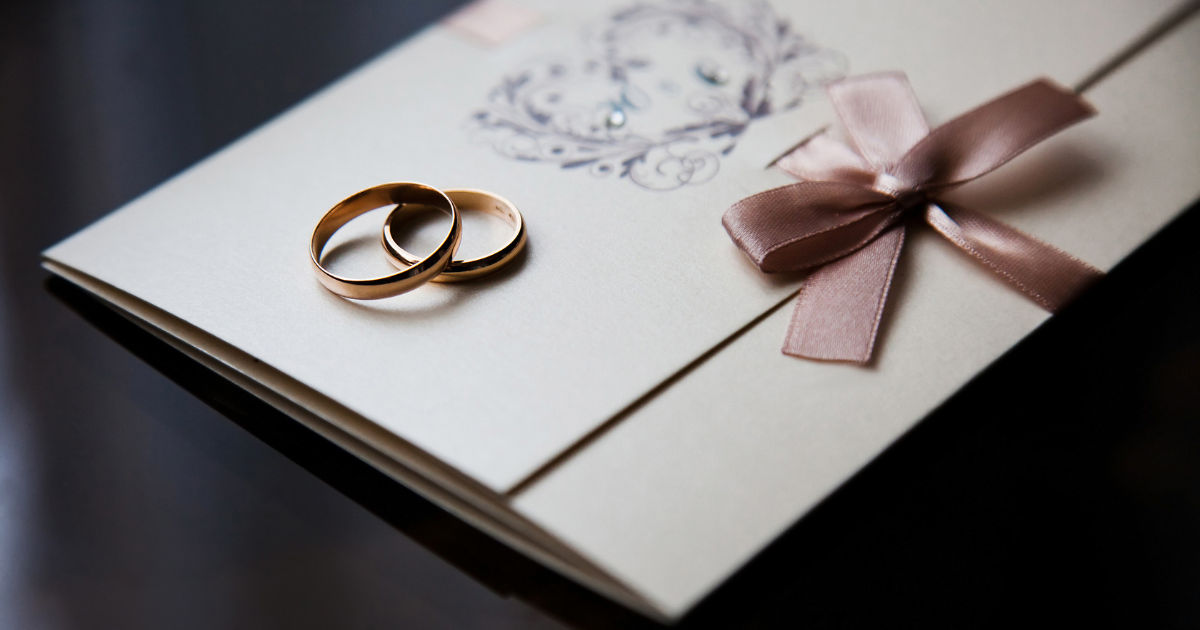
When it comes to planning a wedding in Pakistan, wedding cards in Pakistan are an essential part of the celebration. They are more than just a piece of paper; they reflect the cultural values, traditions, and the style of the family.
Choosing the right words for an Urdu wedding card can feel overwhelming, especially when you want to balance tradition with modern trends.
This guide will walk you through everything you need to know about writing Urdu wedding cards, from wording to layout, so you can create a perfect invitation.
Importance of Urdu Wedding Cards
Urdu wedding cards are a symbol of respect and warmth. They serve as the first impression for your guests and set the tone for your wedding. In Pakistan, a wedding card is not just about inviting people; it is also about showing your hospitality and the significance of the ceremony.
The design, words, and style of a card communicate the family's values and preferences. Traditional Urdu cards often use elegant calligraphy, floral motifs, and sometimes gold or silver foil to signify prosperity and joy. Modern designs might include minimalist typography, vibrant colors, or contemporary layouts.
When creating wedding cards in Pakistan, it is important to consider both aesthetics and content. Both elements work together to make a memorable invitation.
Key Elements of an Urdu Wedding Card
An Urdu wedding card typically has several key sections. Knowing what to include will make writing the card much easier.
1. Names of the Bride and Groom
The most important part of any wedding card is the names of the bride and groom. In Urdu, names are often written in a larger, stylish font to highlight their importance.
For example:
-
Bride: Ayesha Khan
-
Groom: Ali Ahmed
Traditionally, the bride’s name may appear first, but modern cards sometimes place the groom’s name first or both names together for symmetry. Using proper Urdu calligraphy or elegant fonts adds a personal touch.
2. Parents’ Names
Including the parents’ names is a sign of respect and recognition. Typically, both sets of parents are mentioned at the beginning or end of the invitation.
Example in Urdu:
-
With the blessings of Mr. and Mrs. Ahmed Khan and Mr. and Mrs. Tariq Ali
This shows that the families are inviting guests collectively.
3. Greeting or Salutation
A traditional greeting sets the tone for the card. Common phrases include:
-
"بسم اللہ الرحمن الرحیم" (In the name of Allah, the Most Gracious, the Most Merciful)
-
"دعوت برائے شادی" (Invitation for Wedding)
-
"خوش آمدید" (Welcome)
These phrases are usually placed at the top of the card, giving a formal and respectful introduction.
4. Details of the Ceremony
Next comes the important information about the wedding ceremony. This section should clearly mention:
-
Date and day of the wedding
-
Time of the ceremony
-
Venue (address and location details)
-
Specific events like Mehndi, Nikah, and Walima
Example:
"ہمیں خوشی ہے کہ آپ کو ہمارے بیٹے علی احمد کی شادی کی تقریب میں مدعو کر رہے ہیں۔ تقریب جمعہ، 12 مارچ 2026 کو شام 7 بجے شروع ہوگی۔ مقام: باغ جناح، لاہور۔"
This ensures guests have all necessary information without confusion.
5. RSVP Information
Including RSVP details is important for proper planning. You can provide a contact number or email address for guests to confirm attendance.
Example:
"براہ کرم 5 مارچ 2026 تک اپنے آنے کی تصدیق کریں۔"
Some cards also include WhatsApp numbers for modern convenience.
6. Special Instructions
If there are special instructions, like dress code, parking details, or cultural etiquette, these should be clearly mentioned.
Example:
"تقریب کے دوران سفید لباس ترجیح دی جاتی ہے"
(White attire is preferred for the ceremony)
Adding this helps guests prepare and avoids misunderstandings.
Different Styles of Urdu Wedding Cards
Choosing the style of the wedding card depends on your personal preference, budget, and the type of wedding you are hosting.
1. Traditional Cards
Traditional Urdu wedding cards are rich in cultural symbolism. They often feature:
-
Ornate calligraphy
-
Floral borders and gold foil
-
Religious verses or blessings
These cards are perfect for large, formal weddings and for families who want to honor traditions.
2. Modern Cards
Modern cards are simpler, more minimalistic, and often use vibrant colors or unique designs. They may still include Urdu text but in a contemporary font style. Modern cards are easier to handle and can be digital-friendly for online invitations.
3. Digital/Online Wedding Cards
With technology, many couples are now opting for digital invitations. Online wedding cards in Pakistan are cost-effective and convenient. They allow for interactive designs, links to event locations, and easy RSVP management. Despite being digital, they should still include proper Urdu wording to maintain cultural integrity.
Where to Write Each Section on an Urdu Wedding Card
The placement of information in a wedding card is important for clarity and visual appeal. Here is a typical layout:
-
Top Section: Greeting or Salutation (Bismillah or formal welcome)
-
Middle Section: Names of Bride and Groom
-
Following Section: Parents’ names or family mention
-
Event Details: Date, time, venue, and specific ceremonies
-
Bottom Section: RSVP and special instructions
Using elegant spacing and alignment enhances readability. You can also add decorative borders or motifs to separate sections visually.
Language Tips for Writing Urdu Wedding Cards
Writing in Urdu requires attention to language and etiquette. Here are some tips:
-
Use respectful and polite wording. Words like "دعوت" (invitation), "شادی کی تقریب" (wedding ceremony), and "مدعو ہیں" (are invited) are common.
-
Avoid overly casual language; weddings are formal events.
-
Maintain proper Urdu grammar and spelling. Mistakes can appear unprofessional.
-
If mixing Urdu and English, make sure key details like date, time, and venue are clearly understandable.
For example, you can write:
"ہمیں خوشی ہے کہ آپ کو ہمارے بیٹے کی شادی میں مدعو کر رہے ہیں۔ Wedding ceremony will start at 7 PM at XYZ Hall."
This ensures older guests reading Urdu and younger guests familiar with English both understand the invitation.
Creative Ideas for Urdu Wedding Cards
While maintaining tradition, you can add creative touches to make your card memorable:
1. Personal Messages
Adding a short, personal message or quote can make the invitation unique. For example:
"محبت اور خوشیوں کے اس لمحے میں ہمارا ساتھ دیجئے۔"
(Join us in this moment of love and happiness)
2. Custom Calligraphy
Hiring a calligraphy artist for the names or main greeting adds elegance and personalization.
3. Illustrations and Motifs
Use subtle motifs like floral patterns, lanterns, or paisley designs to enhance beauty without cluttering text.
4. Themed Cards
Some weddings have a theme, like vintage, royal, or minimalistic. Make sure your Urdu text complements the theme in font style and placement.
Common Mistakes to Avoid in Urdu Wedding Cards
Even small mistakes can make the card look careless. Keep an eye on these:
-
Misspelling names or venues
-
Using informal or inappropriate language
-
Crowding too much text in a small space
-
Ignoring RSVP instructions
-
Poor quality printing or low-resolution digital files
Double-checking the text and design will save stress and ensure your guests feel respected.
How to Choose the Right Printer or Designer
If you are ordering physical wedding cards in Pakistan, choosing the right printer is crucial. Here are some tips:
-
Check previous work for design quality and Urdu calligraphy accuracy
-
Ask about printing materials: matte, glossy, textured, or foil
-
Confirm delivery timelines to avoid last-minute stress
-
Discuss color accuracy and proofreading options
-
For online cards, ensure digital files are high-quality and compatible with multiple devices
Some well-known wedding card designers in Pakistan also offer full wedding stationery packages, including RSVP cards, envelopes, and thank-you notes.
Including Additional Cards
Often, a wedding invitation comes with multiple cards:
-
RSVP Card: For guests to confirm attendance
-
Mehndi Card: Specific invitation for Mehndi ceremony
-
Walima Card: For the reception event
-
Thank You Card: Optional card to express gratitude after the wedding
Ensure each card maintains consistent design, Urdu wording, and proper spacing.
Tips for Easy Urdu Wedding Card Wording
To make the process simpler:
-
Start Early: Draft your text weeks in advance to allow proofreading.
-
Use Templates: Many printers provide templates that can be customized.
-
Keep it Clear: Avoid long paragraphs; short lines are easier to read.
-
Highlight Important Details: Use bold or larger fonts for names, date, and venue.
-
Get Feedback: Ask family members to review the card for mistakes or missing information.
Conclusion
Writing and designing Urdu wedding cards is an art that blends tradition, etiquette, and creativity. A well-crafted card sets the tone for the wedding and communicates warmth and respect to your guests. Whether you choose traditional ornate designs or modern digital invitations, the key is to ensure clarity, elegance, and proper Urdu wording.
By following the guide above, you can create wedding cards in Pakistan that are both beautiful and informative. Remember to include essential details like names, dates, venues, RSVP instructions, and special messages, while also keeping the card visually appealing. Careful attention to wording, layout, and design will leave a lasting impression on your guests and reflect the joy and significance of the wedding celebration.
A thoughtfully written Urdu wedding card is not just an invitation—it is the first glimpse into the happiness and love that the wedding represents. Take your time, choose your words wisely, and let your wedding card speak volumes about your celebration.

