

When it comes to the world of fashion, Pakistani Fashion has carved a unique niche, especially in bridal wear, as showcased on nani je.
Pakistani bridal outfits are not just clothing; they are works of art that reflect the rich cultural heritage, skilled craftsmanship, and the vibrant traditions of Pakistan.
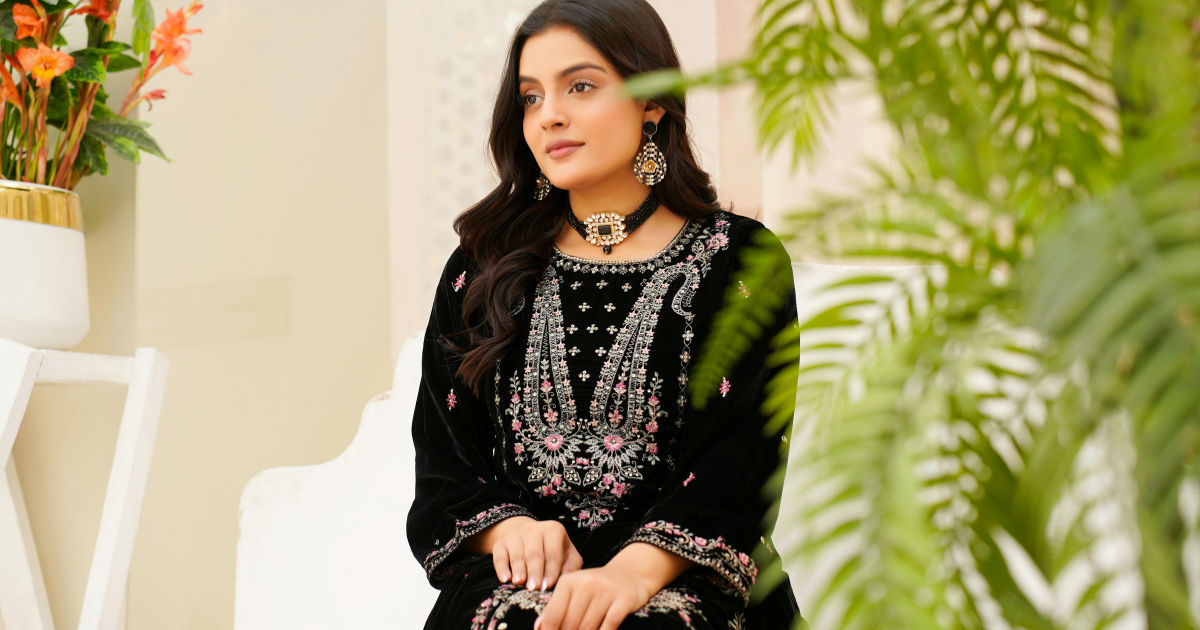 Every stitch, bead, and embellishment in a bridal dress tells a story, making these ensembles unmatched in detail. In this blog post, we will explore why Pakistani bridal wear continues to dominate the hearts of brides not only in Pakistan but around the globe.
The Cultural Essence Behind Pakistani Bridal Wear
Pakistani bridal wear is deeply rooted in culture. From the choice of colors to the intricate embroidery, every element is thoughtfully selected to honor centuries-old traditions. Bridal dresses often incorporate symbols and motifs that carry cultural significance, such as paisleys, floral patterns, and geometric designs.
Red, maroon, and gold are considered auspicious colors in Pakistani weddings. While red signifies love and passion, gold represents wealth and prosperity. However, modern trends have allowed brides to experiment with pastels and other shades without losing the cultural essence.
The attention to cultural authenticity makes Pakistani bridal wear distinct. Unlike many contemporary wedding dresses worldwide that focus solely on trends, Pakistani bridal outfits strike a balance between tradition and modern fashion.
Exquisite Fabrics That Elevate Bridal Wear
One of the key reasons Pakistani bridal wear is unmatched is the selection of fabrics. Designers prioritize luxurious materials such as silk, chiffon, organza, georgette, and velvet. Each fabric is chosen based on the style of the outfit, season, and comfort of the bride.
-
Silk: Known for its smooth texture and natural shine, silk is often used for heavier lehengas and gowns. Its rich feel complements the detailed embroidery perfectly.
-
Chiffon and Georgette: These lightweight fabrics are commonly used for dupattas and flowing dresses, allowing for graceful drapes that enhance the bridal silhouette.
-
Velvet: Velvet bridal wear is particularly popular for winter weddings. Its soft, plush texture adds a regal touch to bridal ensembles.
By combining high-quality fabrics with intricate embellishments, Pakistani designers ensure that each bridal outfit feels luxurious and special.
Intricate Embroidery: A Work of Art
Embroidery is at the heart of Pakistani bridal wear. The level of detail in these outfits often leaves viewers in awe. Pakistani designers use a variety of traditional techniques to create stunning patterns:
-
Zari Work: Gold and silver threads are woven into fabrics to create shimmering designs. Zari work is particularly popular in bridal lehengas and sarees.
-
Zardozi: This elaborate embroidery technique involves metallic threads, sequins, and beads to create raised designs. Zardozi adds a three-dimensional effect to the outfit, making it look opulent.
-
Resham Embroidery: Silk threads are used to create delicate floral or geometric patterns. This style adds a soft and elegant touch to bridal dresses.
-
Mirror Work and Beadwork: Small mirrors or beads are stitched meticulously to catch the light and enhance the sparkle of the outfit.
The painstaking attention to detail in embroidery is what sets Pakistani bridal wear apart. Every outfit requires hours, sometimes even weeks, of skilled craftsmanship, resulting in garments that are more than just clothing—they are art pieces.
Modern Innovations Blending with Tradition
While traditional techniques dominate Pakistani bridal fashion, designers continuously innovate to meet contemporary tastes. Modern Pakistani bridal wear often includes:
-
Pre-Draped Lehenga Gowns: Combining the elegance of a lehenga with the convenience of a gown, these outfits appeal to brides seeking comfort without compromising style.
-
Cape Dresses: Designers are incorporating capes into bridal ensembles, adding a regal and modern touch.
-
Fusion Embroidery: Some contemporary designs mix traditional embroidery with minimalist patterns, making the outfits suitable for both traditional and modern wedding themes.
This seamless blend of tradition and modernity ensures that Pakistani bridal wear remains relevant while preserving its rich heritage.
Jewelry and Accessories: Completing the Bridal Look
No bridal outfit is complete without matching jewelry and accessories. Pakistani bridal jewelry is often elaborate, designed to complement the intricate detailing of the dress. Common accessories include:
-
Maang Tikka: A decorative headpiece worn on the forehead.
-
Choker Necklaces and Long Necklaces: Often layered for a dramatic effect.
-
Bangles and Bracelets: Typically made of gold, glass, or embellished with precious stones.
-
Jhoomar: A side headpiece adding elegance to the bride’s hairstyle.
These accessories are not just decorative—they symbolize marital blessings and traditions, enhancing the cultural significance of the bridal attire.
Regional Variations in Pakistani Bridal Wear
Pakistan is home to diverse cultures, and each region contributes unique styles to bridal fashion:
-
Punjab: Punjabi bridal dresses are known for vibrant colors, heavy embroidery, and traditional phulkari work.
-
Sindh: Sindhi bridal wear often features mirror work and colorful thread embroidery, reflecting the province’s rich heritage.
-
Balochistan: Balochi bridal attire includes detailed hand-embroidered patterns, often in bold colors, representing tribal artistry.
-
Khyber Pakhtunkhwa: Bridal outfits here are modest yet elegant, with intricate thread work and fine embellishments.
Understanding these regional variations highlights the diversity and richness of Pakistani bridal fashion. Each outfit tells a story of the region it originates from, making every bride’s ensemble unique.
Bridal Wear for Different Wedding Functions
Pakistani weddings are multi-day events, each with its own theme and dress code. Bridal wear is designed to cater to these various functions:
-
Mehndi: This is the pre-wedding celebration where brides typically wear bright, playful colors with lighter embroidery. The focus is on comfort and vibrant patterns.
-
Nikah: The religious wedding ceremony often calls for elegant and understated dresses, emphasizing sophistication and grace.
-
Reception: The reception dress is usually more glamorous, featuring heavier embroidery, sequins, and luxurious fabrics to make a statement.
The versatility of Pakistani bridal wear ensures that brides can shine at every event while staying true to cultural traditions.
Bridal Makeup and Hairstyles: Enhancing the Outfit
Pakistani bridal fashion extends beyond clothing. Makeup and hairstyles play a crucial role in completing the bride’s look. Traditional bridal makeup often includes bold eyes, rosy cheeks, and deep lip colors that complement the outfit’s color palette. Hairstyles are carefully chosen to accommodate accessories like maang tikkas and jhoomars.
The harmony between bridal attire, jewelry, and makeup ensures a polished and cohesive look that leaves a lasting impression.
Global Recognition of Pakistani Bridal Fashion
Pakistani bridal wear has garnered international acclaim for its artistry and elegance. Many celebrities and fashion enthusiasts from around the world choose Pakistani designers for their weddings due to:
-
Exceptional craftsmanship
-
Rich cultural heritage
-
Unique combination of tradition and modern style
Fashion shows in Dubai, London, and New York frequently feature Pakistani bridal collections, showcasing the global appeal of this fashion genre.
The Role of Designers in Elevating Bridal Wear
Behind every stunning Pakistani bridal outfit is a talented designer who invests creativity, time, and skill. Renowned designers like HSY, Maria B, Sana Safinaz, and Elan have revolutionized Pakistani bridal fashion by blending traditional artistry with modern innovation. They experiment with fabrics, cuts, and embellishments to create bespoke pieces that reflect each bride’s personality.
These designers not only preserve the essence of Pakistani fashion but also push the boundaries, ensuring that every bride receives an unmatched experience.
Sustainable Practices in Pakistani Bridal Fashion
Recently, Pakistani bridal fashion has started embracing sustainability. Many designers now focus on eco-friendly fabrics, ethical production methods, and recycling embroidery materials. Sustainable bridal wear reduces environmental impact while maintaining the luxurious quality and intricate details that Pakistani fashion is known for.
This shift demonstrates that traditional craftsmanship and modern responsibility can coexist beautifully.
Why Detail Matters in Pakistani Bridal Wear
The unmatched detail in Pakistani bridal wear is more than aesthetics—it reflects dedication, culture, and artistry. Every element, from hand-stitched embroidery to carefully chosen gemstones, contributes to creating an outfit that is deeply personal and culturally significant. Brides feel special wearing these outfits because they are not just garments—they are heirlooms that tell a story and carry emotional value.
How Brides Choose Their Perfect Outfit
Selecting a bridal outfit in Pakistan is a meticulous process. Brides consider:
-
Fabric and comfort: Ensuring the outfit is wearable for long ceremonies.
-
Embroidery and embellishments: Matching the outfit’s style with personal taste.
-
Color palette: Aligning with wedding themes and cultural symbolism.
-
Designer reputation: Choosing trusted designers ensures quality and attention to detail.
This careful selection process reflects the importance of bridal wear in Pakistani culture, emphasizing that each dress is an investment in beauty, tradition, and memories.
Conclusion
Pakistani bridal wear stands out in the global fashion landscape due to its unmatched detail, rich cultural significance, and seamless blend of tradition with contemporary style. From luxurious fabrics and intricate embroidery to stunning jewelry and carefully curated makeup, every element is thoughtfully designed to celebrate the bride’s special day.
The global recognition and enduring popularity of Pakistani bridal fashion highlight its timeless appeal. It is more than clothing—it is a reflection of artistry, culture, and identity. For brides seeking elegance, tradition, and unmatched craftsmanship, Pakistani bridal wear continues to be the ultimate choice.
In essence, Pakistani bridal wear is a celebration of beauty, culture, and meticulous artistry. Every outfit tells a story, making every bride feel like royalty on her special day. With designers pushing creative boundaries while honoring tradition, Pakistani fashion ensures that each wedding ensemble is truly unforgettable.


